Kaiyue Rubber (Jingxian): Delivering High-Quality Rubber & Silicone Products for Industrial & Daily Applications Worldwide.
English


Views: 0 Author: Site Editor Publish Time: 2026-09-08 Origin: Site


Unplanned downtime, environmental spills, and safety hazards caused by catastrophic hose failure represent massive hidden costs in industrial operations. Procurement and maintenance teams often struggle to accurately predict the operational lifespan of a rubber hose. This unpredictability leads to either premature replacement, which wastes maintenance budgets, or reactive maintenance, which creates severe safety risks on the facility floor. Establishing a reliable lifecycle for industrial hoses requires moving beyond generic manufacturer estimates. Relying on basic guidelines often results in catastrophic field failures when environmental or operational variables shift unexpectedly. This guide breaks down the material science, operational variables, and application-specific criteria required to evaluate hose longevity, maintain regulatory compliance, and keep your fluid transfer systems running safely.
Baseline Shelf Life vs. Service Life: Unused rubber hoses typically have a shelf life of 5 to 10 years under optimal storage conditions, but operational service life ranges from 1 to 5+ years depending strictly on application variables.
The STAMPED Framework: Lifespan is dictated by Size, Temperature, Application, Material, Pressure, Ends, and Delivery. Failing to align the hose specification with any of these factors exponentially accelerates degradation.
Material Specificity is Critical: Upgrading to specialized materials—such as a high-temperature silicone hose for thermal extremes or a dredging hose for severe abrasion—drastically improves longevity compared to standard EPDM or Nitrile alternatives.
Predictive Maintenance: Visual degradation (cracking, blistering, stiffness) often precedes structural failure, making routine inspection, hydrostatic testing, and proper flushing mandatory for risk mitigation.
Understanding the true lifespan of industrial hoses requires separating shelf life from operational service life. These two metrics measure entirely different phases of the product lifecycle. Shelf life refers to the natural degradation of the elastomer compounds while the hose sits in a warehouse. Service life refers to how long the hose survives once installed and subjected to mechanical, chemical, and thermal stress in the field.
Standard rubber compounds degrade over time even when completely unused. Industry guidelines, such as those established by ISO 2230 and the Association for Hose and Accessories Distribution (NAHAD), dictate specific shelf-life limits based on the polymer type. The general rule spans 5 to 10 years under ideal storage conditions. Natural rubber and Styrene-Butadiene Rubber (SBR) typically max out at 3 to 5 years. Synthetic elastomers like Neoprene, EPDM, and Nitrile generally offer a 5-to-10-year shelf life. Specialized materials like silicone or fluorocarbon can exceed 10 years on the shelf without significant molecular breakdown.
This degradation occurs because the plasticizers and protective waxes embedded in the rubber matrix slowly migrate to the surface over time. Once these compounds dissipate, the rubber loses its elasticity. Installing a hose that has exceeded its shelf life guarantees premature failure, regardless of how gentle the operational environment might be. You will notice the cover feels hard, slick, or brittle before it even sees a drop of fluid.
A universal service life metric does not exist for industrial hoses. The exact same hose model will yield drastically different lifespans depending on its deployment. Consider a standard low-pressure water discharge hose operating at ambient temperatures on a flat concrete surface indoors. This hose might easily last five to seven years. Take that identical hose and use it to transfer high-pressure chemical solvents in a facility with heavy forklift traffic, and it will likely fail within six months.
Operational variables dictate the timeline. You must evaluate the specific fluid transferred, the operating pressure, the ambient temperature, and the physical routing of the assembly. Hoses subjected to continuous dynamic flexing will fatigue faster than hoses installed in static configurations. Hoses exposed to direct sunlight will crack faster than those installed indoors. We see facilities replace hoses annually simply because they refuse to upgrade to a compound suited for their specific chemical exposure.
Procurement teams frequently confuse manufacturer warranties with expected operational lifespans. A manufacturer's warranty covers defects in materials and workmanship. It does not guarantee that the hose will survive a specific number of years in your facility. If a hose fails due to a manufacturing defect, it usually happens within the first few days or weeks of pressurization. The layers might delaminate, or a pinhole leak might develop due to an extrusion error.
Most field failures result from operational errors that immediately void the warranty. Exceeding the maximum working pressure, violating the minimum bend radius, or transferring incompatible chemicals shifts the liability entirely to the operator. You cannot rely on warranty periods to dictate your replacement schedules. You must build replacement cycles based on empirical observation, failure analysis, and application data.
Common Elastomer Shelf Life and Thermal Limits | |||
Elastomer Type | Average Shelf Life | Typical Max Temperature | Primary Resistance |
|---|---|---|---|
Natural Rubber | 3 - 5 Years | 160°F (71°C) | Physical Abrasion |
Nitrile (Buna-N) | 5 - 10 Years | 212°F (100°C) | Petroleum and Oils |
EPDM | 5 - 10 Years | 300°F (149°C) | Ozone and Weather |
Silicone | 10+ Years | 500°F (260°C) | Extreme Heat |
Fluorocarbon (FKM) | 10+ Years | 400°F (204°C) | Harsh Chemicals |
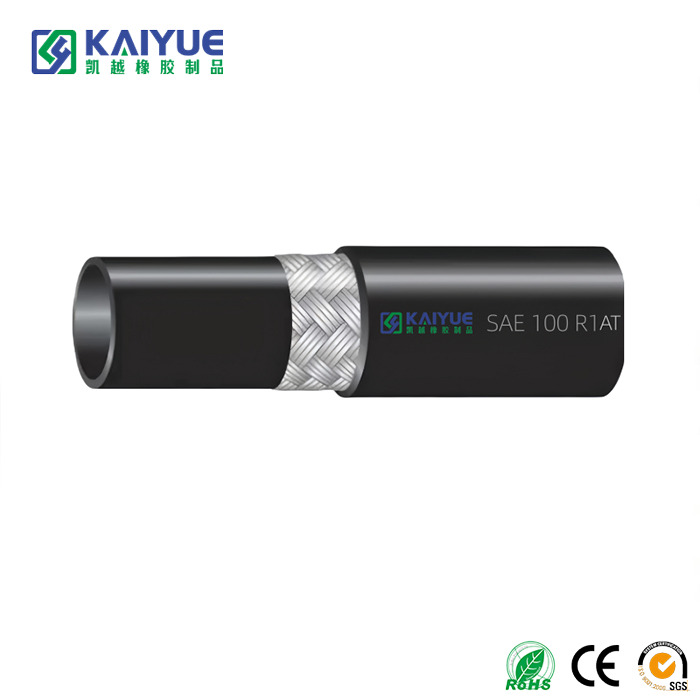
Industrial hoses rarely fail without cause. Degradation is a measurable physical or chemical process driven by specific environmental and operational stressors. Identifying these stressors allows maintenance teams to mitigate risks and extend the operational lifecycle of the assembly.
Heat acts as a powerful catalyst for chemical breakdown in elastomer compounds. You must account for both internal and external thermal stress. Internal heat comes from the fluid media flowing through the assembly. This heat directly attacks the inner tube. External heat comes from the ambient environment, such as proximity to furnaces, engines, or unshaded outdoor installations. External heat bakes the outer cover.
Prolonged heat exposure causes elastomer hardening. The thermal energy forces the plasticizers out of the rubber compound. As these plasticizers evaporate, the rubber loses its flexibility. The material becomes stiff, brittle, and prone to cracking. Once a hose hardens, any sudden flexing or pressure spike will cause the inner tube to fracture, leading to immediate fluid leakage through the reinforcement layers. Conversely, extreme cold causes rubber to lose its elasticity temporarily, making it highly susceptible to shattering if flexed or dropped.
Transferring incompatible fluids destroys hoses faster than almost any other variable. Chemical attack manifests in several ways. The inner tube may swell, soften, or delaminate. Swelling reduces the internal diameter of the hose, which restricts flow and increases internal pressure. Softening weakens the structural bond between the inner tube and the textile or wire reinforcement. Using a standard water hose to transfer petroleum-based oils will cause the inner tube to turn to mush within weeks.
Particulate wear presents a different challenge entirely. High-velocity abrasive media, such as sand, cement dust, or metal slurry, physically erodes the inner tube lining. This scouring action thins the tube wall over time. Once the abrasive media eats through the rubber tube, it attacks the reinforcement layer, leading to a catastrophic blowout. You must match the tube thickness and material hardness to the specific particulate size and velocity.
Structural fatigue accounts for a massive percentage of hose failures. Bend radius violations are the most common installation error we see in the field. Every hose has a minimum bend radius specified by the manufacturer. Routing a hose tighter than this radius stretches the outer cover and compresses the inner tube. This distorts the reinforcement layer, causing it to kink. A kink permanently destroys the structural integrity of that section, creating a weak point that will eventually burst.
Dynamic fatigue also accelerates wear. Constant motion, heavy vibration, and frequent pressure cycling stress the textile or wire braids. Pressure spikes, often caused by rapidly closing valves (water hammer), force the hose to expand and contract violently. This repetitive stress eventually snaps the reinforcement wires or tears the synthetic yarns. If your system experiences frequent pressure surges, you must specify a hose with a higher working pressure rating to absorb the shock.
Atmospheric conditions silently destroy hoses installed outdoors. Ozone and ultraviolet (UV) light break down the molecular double bonds in standard synthetic rubbers. This degradation primarily affects the outer cover. It manifests as a network of tiny cracks, often called ozone cracking or weather checking. You will typically see these cracks form on the outside radius of a bend, where the rubber is stretched tightest.
While micro-cracking might seem superficial, it exposes the internal reinforcement layers to the elements. Moisture penetrates the cracks, leading to rust in wire-braided hoses or rot in textile-braided hoses. Once the reinforcement degrades, the hose loses its ability to hold pressure. Upgrading to an EPDM cover provides excellent resistance to ozone and UV light for outdoor applications.
Failing to flush hoses after use drastically reduces their lifespan. Stagnant media left inside the assembly during downtime continues to attack the inner tube. If you transfer harsh chemicals and leave the residue inside the hose overnight, the chemical exposure time multiplies rapidly. Similarly, allowing abrasive slurries to settle and dry inside the hose creates solid blockages. When the system restarts, the pressure forces these hardened blocks through the line, tearing the inner tube to shreds.
Selecting the correct hose variant dictates the baseline longevity of the installation. Standard utility hoses cannot survive in highly specialized environments. You must match the material construction and physical profile to the specific demands of the application.
Standard industrial hoses handle static, low-pressure environments transferring neutral media. They typically feature EPDM covers for weather resistance or Nitrile tubes for light oil mist resistance in pneumatic lines. Under standard conditions, you can expect a lifespan of 3 to 5 years. They are the workhorses of general manufacturing facilities.
However, these hoses are highly susceptible to premature failure if misapplied. Exposing a standard water hose to heavy foot traffic, vehicle rollovers, or severe chemical solvents will destroy it rapidly. Success with standard hoses requires strict adherence to their designated pressure and temperature ratings. Do not use them as a universal solution for every fluid transfer need in your plant.
Applications requiring tight routing or vacuum capabilities demand specialized profiles. A corrugated rubber hose is designed specifically to bend without collapsing. The corrugated outer cover reduces mechanical stress on the reinforcement layers during dynamic flexing. This profile prevents kinking in confined spaces, making it ideal for suction lines or complex machinery routing.
The corrugated design extends the lifespan in dynamic applications by distributing the bending stress more evenly across the length of the assembly. However, evaluating this hose requires careful visual inspection. Debris, mud, and chemicals can become trapped in the valleys of the corrugations. This trapped material causes localized friction wear or accelerated chemical degradation if not routinely cleaned. You must wash down corrugated lines regularly to prevent buildup.
Moving solid materials requires extreme physical durability. A dredging hose is engineered specifically for the transport of sand, gravel, and heavy slurry. These hoses feature a highly specialized, extra-thick inner tube made from abrasion-resistant natural rubber or specialized synthetic blends. They often include heavy wire helix reinforcement to prevent collapse under high suction.
You do not measure the lifespan of a dredging hose strictly by chronological time. Instead, you evaluate longevity by the tonnage of material transferred. The abrasive media constantly scours the inner wall. Success depends on selecting the correct tube thickness for the particle size and velocity of the slurry. Regular rotation of the hose—turning it 90 degrees every few months—can distribute the internal wear more evenly, significantly extending the functional life of the assembly.
When ambient or media temperatures exceed the limits of standard elastomers, material upgrades become mandatory. Standard EPDM typically fails around 300°F (149°C). A high-temperature silicone hose maintains its elasticity and structural integrity at temperatures well beyond this threshold, often surviving continuous exposure up to 500°F (260°C). We frequently deploy these in engine bays, foundries, and plastic injection molding facilities.
While silicone offers superior thermal longevity and resists the hardening process that destroys standard rubber, it requires a careful trade-off analysis. Silicone generally lacks the high physical abrasion resistance and tear strength of standard industrial rubber. You must route silicone hoses carefully to avoid physical friction, sharp edges, and high-impact zones within the facility. If a silicone hose rubs against a vibrating metal bracket, it will wear through much faster than a standard rubber hose.
Relying on a run-to-failure strategy guarantees operational disruption. Implementing a predictive maintenance schedule allows you to identify degradation before the hose bursts. You must train personnel to recognize the physical indicators of impending failure.
Visual inspections remain the most effective frontline defense against catastrophic failure. Inspectors must look for cover damage, including deep abrasions, cuts, and severe ozone cracking. If the textile or wire reinforcement layer becomes visible through the cover, you must remove the hose from service immediately. Exposed reinforcement degrades rapidly and compromises the pressure rating.
Tactile changes provide critical clues about the health of the inner tube. Squeeze the hose along its length. If you feel localized soft spots or bulges, the inner tube has likely suffered a chemical attack or a structural tear. The fluid is now trapped between the tube and the cover, creating a blister. If the hose feels extremely stiff and crackles when bent, it has suffered severe thermal degradation. Both conditions require immediate replacement.
Visual Troubleshooting Guide for Hose Failure | ||
Visual Symptom | Probable Cause | Required Action |
|---|---|---|
Cover Blistering | Incompatible fluid permeating the inner tube. | Replace immediately; verify chemical compatibility. |
Exposed Wire Braid | Severe external abrasion or routing friction. | Replace immediately; install protective sleeving. |
Hard, Brittle Cover | Extreme heat exposure or ozone degradation. | Replace; upgrade to high-temperature compound. |
Kinking at Fittings | Violating minimum bend radius during installation. | Replace; reroute using angled fittings or longer hose. |
The interface between the hose and the metal fitting represents the weakest point in any assembly. Inspect this area meticulously. Look for weeping or active leaks at the base of the coupling. Moisture at this interface indicates that fluid has breached the inner tube and is traveling through the reinforcement layer. Tightening the clamp will not fix a compromised inner tube.
Check for fitting slippage. This occurs when the metal coupling begins to pull away from the hose. You can often spot this by looking for a gap between the end of the fitting and the original insertion mark on the hose cover. Slippage is a severe safety risk. A slipping fitting can blow off under pressure, acting as a high-velocity projectile and releasing uncontrolled media across the facility floor.
Visual inspections cannot detect all internal flaws. Implementing routine hydrostatic testing verifies the structural integrity of the assembly. This process involves filling the hose with water, bleeding out all air, and pressurizing it to a specific test pressure (usually 1.5 times the working pressure). The hose is held at this pressure for a few minutes while inspectors check for leaks, abnormal elongation, or twisting.
Align your replacement schedules with regulatory compliance guidelines. OSHA and EPA regulations dictate strict handling protocols for hazardous materials. Failing to replace degraded chemical transfer hoses can result in massive environmental fines and severe worker injuries. Establish a localized tracking system using RFID chips or physical metal tags to monitor installation dates, inspection intervals, and mandatory replacement schedules.
Extending the lifespan of your hoses begins long before they are installed on the production floor. Proper procurement, storage, and installation practices drastically reduce premature failures and maximize the return on your industrial hardware investments.
Mitigate shelf-life degradation by strictly controlling your storage environment. Store unused hoses in cool, dark, and dry rooms. Keep temperatures between 50°F and 70°F (10°C to 21°C). Keep hoses away from direct sunlight, skylights, and powerful artificial lighting that emits UV rays.
Never store hoses near electrical equipment. Electric motors, generators, and high-voltage transformers generate ozone, which rapidly degrades rubber covers. Store hoses flat on solid shelves rather than hanging them on thin pegs, which creates concentrated stress points. Implement a First-In, First-Out (FIFO) inventory management system to ensure older stock is deployed before it exceeds its shelf life.
Improper installation destroys hoses on day one. You must follow strict mechanical protocols to ensure the assembly survives its intended lifespan.
Support Heavy Assemblies: Utilize proper suspension methods for large diameter hoses. Use wide saddles or slings rather than narrow ropes to support the weight, preventing localized crushing.
Eliminate Torsion: Avoid twisting the hose during installation. Torsion drastically reduces the burst strength of the reinforcement layers. Always use two wrenches when tightening threaded fittings to prevent twisting the hose body.
Respect Bend Radius: Never bend the hose sharply immediately behind the coupling. Use 45-degree or 90-degree metal elbows to handle sharp directional changes.
Apply Physical Protection: Protect hoses in high-traffic areas. Use protective nylon sleeves, spiral plastic guards, or metal armor to shield the cover from physical abrasion.
Install Safety Restraints: In high-pressure applications, install whip checks or safety cables at the connection points. These devices prevent the hose from whipping violently if the fitting separates from the assembly.
Select manufacturing partners and distributors who provide comprehensive technical support. A reliable vendor will supply detailed chemical compatibility charts, transparent burst-pressure ratings, and specific temperature limits for every product. Demand custom assembly testing. Reputable vendors will hydrostatically test custom hose assemblies and provide certification documents before shipping them to your facility. If a vendor cannot provide a test certificate for a high-pressure chemical line, find a new vendor.
A rubber hose does not possess a fixed expiration date once deployed in the field. Its operational lifespan is a direct output of material selection, environmental conditions, and rigorous maintenance practices. Relying on guesswork or waiting for a catastrophic blowout puts your personnel and your production schedule at severe risk.
Base all procurement decisions strictly on the STAMPED framework. Do not default to standard rubber if the application involves extreme heat, abrasive slurry, or tight bend radii. Specifying the correct material variant upfront eliminates the vast majority of premature failures. Upgrading to specialized compounds ensures the assembly survives the actual demands of the environment.
Take immediate action to secure your operational lines:
Conduct a comprehensive visual audit of all currently deployed high-pressure and hazardous material hoses.
Check all critical connection points for signs of cover wear, weeping, or fitting slippage.
Implement a physical tagging system to track installation dates and mandate inspection intervals.
Consult with a technical hose distributor to verify chemical and thermal compatibility for your most failure-prone lines.
Establish a dedicated, ozone-free storage area for all backup hose inventory.
A: Under ideal storage conditions (cool, dark, dry, and away from ozone sources), most industrial rubber hoses have a shelf life of 5 to 10 years, depending on the specific elastomer compound. Natural rubber lasts around 3 to 5 years, while synthetic rubbers like EPDM or Nitrile can last up to 10 years.
A: Prolonged exposure to ultraviolet light and ozone breaks down the polymer chains in standard rubber. This degradation leads to cover cracking, brittleness, and eventual exposure of the internal reinforcement layers. Once the reinforcement is exposed to moisture, the hose will rapidly lose its pressure-holding capabilities.
A: Yes, but only in high-heat applications. Silicone maintains its elasticity at temperatures that would quickly bake and crack standard rubber. However, silicone is generally less resistant to physical abrasion and tearing, meaning it must be carefully protected from mechanical wear in the field.
A: Hardening is typically caused by thermal degradation. Exposure to heat beyond the hose's rating bakes out the plasticizers embedded in the rubber matrix. Hardening can also occur due to chemical incompatibility with the fluid being transferred, which alters the molecular structure of the inner tube.
A: In most industrial applications, repairing a damaged hose is highly discouraged due to safety risks and compromised structural integrity. If the hose cover is breached, the inner tube is damaged, or the reinforcement is compromised, the entire assembly must be replaced immediately to prevent blowouts.
A: Visual inspections should occur monthly for standard utility applications. However, hoses handling hazardous chemicals, high pressures, abrasive slurries, or extreme temperatures require daily or pre-shift inspections to identify rapid degradation before a catastrophic failure occurs.
A: STAMPED stands for Size, Temperature, Application, Material, Pressure, Ends, and Delivery. It is the fundamental framework used by engineers and procurement teams to ensure every operational variable is accounted for before selecting and installing an industrial hose assembly.


