Kaiyue Rubber (Jingxian): Delivering High-Quality Rubber & Silicone Products for Industrial & Daily Applications Worldwide.
English


Views: 0 Author: Site Editor Publish Time: 2026-10-21 Origin: Site


Specifying the wrong fluid conveyance equipment is a guaranteed path to costly industrial downtime. A mismatched synthetic compound can easily trigger sudden system bursts or hazardous chemical leaks on the factory floor. Plant managers and procurement engineers frequently face a labyrinth of material choices. How do you match a highly specific elastomer to a demanding operational circuit? This guide breaks down the exact material differences and performance metrics required to make an evidence-based engineering decision.
System longevity and workplace safety hinge on understanding fundamental flexible piping properties. The inner tube elastomer directly dictates fluid compatibility. A mismatch here guarantees rapid internal degradation. Moving outward, the reinforcement layer determines structural integrity under extreme stress. This layer utilizes either tightly woven textile braids or high-tensile steel wire.
Application-specific engineering is non-negotiable in harsh industrial settings. Standard utility lines fail rapidly under highly corrosive acids or extreme thermal fluctuations. Deploying specialized engineered products is strictly required to maintain operational integrity. Utilizing the industry-standard STAMPED framework minimizes premature failure risks and keeps your facility running efficiently.
An industrial conduit is far more than a simple flexible tube. It operates as a highly engineered, multi-layered composite structure designed to withstand precise mechanical and chemical stresses. Recognizing how these distinct layers interact is essential for evaluating field performance.
The inner core serves as the primary barrier containing the conveyed fluid. It makes direct, continuous contact with the media. Therefore, its chemical composition must precisely match the fluid. This prevents swelling, hardening, and permeation. Transferring raw petroleum requires an elastomer that actively resists hydrocarbon degradation. Conversely, pumping strong acids demands a completely different molecular structure. Pumping harsh solvents through a standard utility line inevitably leads to internal erosion and rapid rupture.
Surrounding the delicate inner tube is the reinforcement layer. This crucial component provides the tensile strength needed to withstand intense internal pressure and external mechanical forces. It prevents the assembly from bursting under heavy loads and maintains structural shape during complex routing. Configurations include woven textile braids for low-pressure flexibility and high-tensile steel wire braids for high-pressure hydraulic applications. Helical wire spirals are specifically integrated to prevent structural collapse during heavy vacuum operations.
The outer cover acts as the primary defense against environmental degradation. It is specifically formulated to protect the sensitive internal layers. This barrier shields the assembly from atmospheric ozone, ultraviolet radiation, severe weather, and physical abrasion. Dragging a compromised line across jagged concrete floors allows moisture ingress. This quickly leads to rusted reinforcement wires and total structural failure.
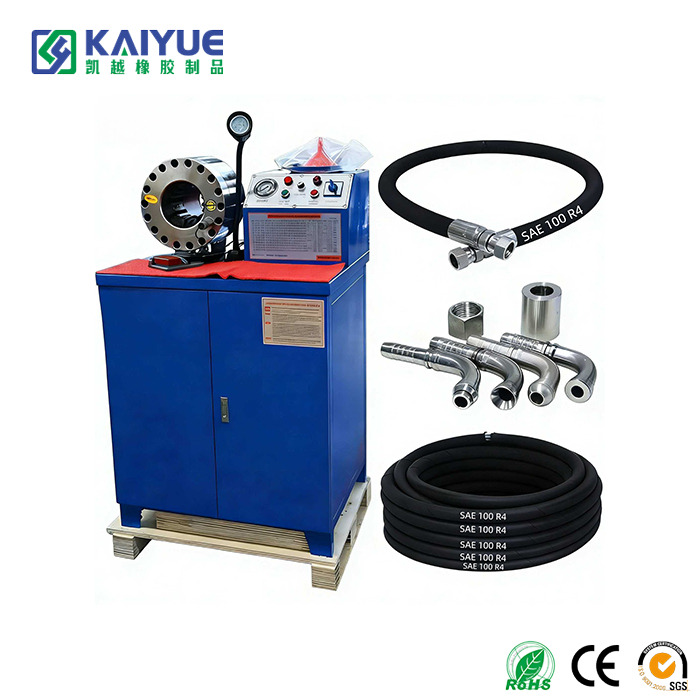
Selecting the appropriate base elastomer is the most critical decision in the specification process. Different synthetic rubbers exhibit distinct molecular structures. These structures result in varied resistance to chemicals, ambient temperatures, and physical wear.
Material Compound | Primary Application | Standard Temp Range | Key Engineering Strength |
|---|---|---|---|
Nitrile | Oils and Fuels | -40°C to +100°C | Exceptional hydrocarbon resistance. |
EPDM | Steam and Water | -40°C to +120°C | Superior ozone and weather stability. |
Neoprene | General Utility | -30°C to +90°C | Balanced multi-purpose durability. |
UHMWPE | Harsh Chemicals | -30°C to +85°C | Handles 98% of industrial acids. |
Silicone | High Temp and Purity | -60°C to +200°C | Incredible thermal elasticity and FDA compliance. |
The broad category of the Industrial Rubber Hose serves as the infrastructural backbone for bustling construction sites and large-scale agricultural operations. These robust conduits deliver reliable performance across a wide spectrum of general-utility applications. Extreme chemical resistance is not the primary concern here. Instead, these utility lines are formulated for an optimal balance of durability, physical flexibility, and abrasion resistance.
Because they are frequently subjected to rough terrain and heavy foot traffic, their outer covers are heavily reinforced. They efficiently handle compressed air, municipal water, and non-corrosive liquids under moderate pressure conditions. Standard factory specifications typically rate these assemblies for working pressures ranging from 150 to 300 PSI, depending on the specific textile reinforcement integrated into the wall.
Transferring petroleum-based fluids places severe demands on any fluid conveyance system. Standard utility compounds rapidly degrade when exposed to volatile hydrocarbons. This necessitates the deployment of a specialized Oil Resistant Rubber Hose to ensure strict operational safety. Plant managers rely on these specific assemblies to prevent hazardous and costly workplace leaks.
The core of an oil-grade assembly is constructed from high-grade Nitrile. This synthetic compound maintains strict structural integrity when exposed to diesel, unleaded gasoline, and heavy hydraulic fluids. By actively preventing swelling and hardening, Nitrile ensures a consistent flow rate. These hoses are engineered with high-tensile synthetic yarn or wire braids, easily handling 300 PSI working pressures while maintaining crucial flexibility in freezing winter environments.
Handling aggressive industrial acids and potent solvents presents massive safety risks. A sudden leak results in severe workplace injuries and toxic vapor exposure. Integrating a dedicated Chemical Resistant Rubber Hose is a non-negotiable safety requirement in modern chemical processing facilities.
Standard elastomers are entirely insufficient for aggressive media like high-concentration sulfuric acid. Chemical transfer lines utilize specialized inner tubes manufactured from Ultra-High Molecular Weight Polyethylene or Cross-Linked Polyethylene. These advanced materials act as an impenetrable shield. They prevent the media from permeating the hose wall. Operating safely at pressures between 150 and 250 PSI, these lines require rigorous maintenance protocols. Industry best practices mandate thoroughly flushing the assembly with a neutralizing agent immediately after use.
When operational demands push past the thermal limits of traditional carbon-based rubbers, engineers turn to inorganic polymer structures. The Silicone Rubber Hose sets the global benchmark for thermal stability and absolute purity in critical processing environments.
Silicone demonstrates exceptional resilience across extreme temperature spectrums. It reliably remains flexible and structurally sound from a freezing -60°C to well over +200°C. Standard rubbers become dangerously brittle in extreme cold or melt in extreme heat. Silicone retains its mechanical elasticity. Furthermore, it is inherently non-toxic and chemically inert. Food-grade and medical-grade silicone assemblies comply with strict FDA regulations. They will not leach contaminants or alter the chemical composition of delicate fluids in pharmaceutical manufacturing.
Modern hydraulic systems require fluid conveyance solutions that perfectly balance pressure containment with physical flexibility. For low to medium-pressure applications, a Textile Reinforced Hydraulic Rubber Hose provides distinct engineering advantages over rigid, heavy, wire-braided alternatives.
This specific class of equipment is perfectly exemplified by the industry-standard SAE 100 R3 specification. It utilizes two layers of tightly woven textile fibers as its primary reinforcement. This contrasts heavily with high-pressure lines that rely on stiff braided steel wire. The primary advantage of textile reinforcement is superior physical flexibility. These lightweight assemblies offer a significantly tighter bend radius. Technicians can route them through highly compact machine compartments without restricting crucial fluid flow. The complete absence of internal steel wire also eliminates the risk of electrical conductivity.
Driven by stricter global environmental regulations and the rapid rise of alternative energy sectors, fluid conveyance engineering is shifting rapidly. Manufacturers are increasingly moving toward advanced composite elastomers. The booming electric vehicle market demands cooling lines that are exceptionally lightweight yet highly resistant to specialized dielectric fluids. This pushes the boundaries of traditional Ethylene Propylene Diene Monomer and Silicone blends.
Concurrently, the transition toward biofuels and hydrogen energy forces a re-evaluation of standard Nitrile compounds. Engineers are developing ultra-low permeation barriers to prevent volatile gas leaks. These next-generation materials must maintain the dynamic flexibility required for heavy industrial machinery while ensuring zero fugitive emissions.
Selecting the correct industrial conduit requires a systematic evaluation of operational parameters. Procurement specialists universally rely on the STAMPED acronym to ensure all critical variables are thoroughly addressed.
Size: Accurate sizing maintains optimal flow velocity. Measure the Inner Diameter carefully to prevent pressure drops. Check the Outer Diameter to ensure fitting compatibility. Define the precise overall length to prevent dangerous stretching.
Temperature: Thermal evaluation must account for two metrics. First, check the internal temperature of the fluid. Second, evaluate the external ambient temperature of the operating environment. Exceeding thermal limits leads to rapid material hardening and cracking.
Application: Determine the physical routing conditions. Variables include indoor versus outdoor usage, ultraviolet exposure, and required bend radiuses. Will the assembly be subjected to static routing or continuous dynamic flexing?
Material: The chemical composition of the inner tube must be completely compatible with the fluid media. Specify Nitrile for oils, Ethylene Propylene Diene Monomer for steam, or Ultra-High Molecular Weight Polyethylene for harsh chemicals.
Pressure: System pressure dictates the required reinforcement layer. Specifications must account for the maximum continuous working pressure and potential dynamic pressure spikes. Industry standards typically require a 4:1 safety factor.
Ends: An assembly is only as secure as its connections. Select couplings and crimping methods that are chemically and mechanically compatible with both the elastomer and existing system hardware.
Delivery: Confirm required testing certifications and pressure validation reports. Establish specialized packaging needs and shipping timelines to minimize facility downtime.
Choosing the right fluid transfer equipment directly impacts your bottom line and facility safety. You must possess a deep understanding of your specific fluid dynamics and surrounding environmental stressors. Always verify that your pressure and temperature limits align perfectly with manufacturer specifications. Investing in high-quality, application-specific materials prevents catastrophic premature failures and saves significant replacement costs.
Ready to upgrade your fluid conveyance systems? Explore the full range of engineered solutions at https://www.kaiyuerubber.com to find the exact performance specifications required for your specific project. Consulting with industry experts ensures your workplace remains safe, compliant, and highly efficient.
Durability is highly dependent on the specific application environment. Ethylene Propylene Diene Monomer is exceptionally durable against weathering and ozone degradation. Nitrile is the most durable option when exposed to petroleum fuels. For extreme temperature fluctuations, silicone remains virtually unmatched.
No, this is highly dangerous. General industrial lines are often manufactured using compounds that will rapidly degrade, swell, and eventually burst if exposed to petroleum products. You must always use a dedicated oil-resistant product specifically engineered with a Nitrile core.
Lifespan varies drastically based on daily usage, material compound, and environmental exposure. It typically ranges from 1 to over 10 years. Proper storage, avoiding extreme bend radiuses, and staying within rated pressure limits will significantly extend operational life.
Textile-reinforced variants are specifically designed for low to medium-pressure applications. They offer maximum physical flexibility, a notably lightweight design, and a very tight bend radius. Wire-braided hoses are often far too stiff and heavy for these specific, low-pressure routing needs.
Yes, provided it is properly rated. Food-grade silicone is completely non-toxic, chemically inert, and odorless. It meets strict FDA approvals, making it perfectly safe for potable water transfer, commercial beverage dispensing, and food processing applications.
Pressure drop is calculated using the internal diameter of the line, the flow rate of the media, fluid viscosity, and the overall length of the assembly. Engineers typically use the Darcy-Weisbach equation. Selecting a hose with an Inner Diameter that is too small for the required flow rate will drastically increase fluid friction, resulting in severe pressure loss and system inefficiency.
Vacuum collapse occurs when the external atmospheric pressure exceeds the internal pressure of the system, and the hose lacks sufficient structural reinforcement. Standard textile-braided lines are not designed for suction. To prevent flattening and flow restriction during vacuum operations, you must specify a hose engineered with a helical steel wire spiral integrated into the reinforcement layer.


